Maybe you grew up with pets. Maybe you’d love a dog, but you’re not ready to adopt. Fostering could be a way to have an animal in your life while helping them on their way to a permanent home.
You give an animal a place to stay and look after them day to day: feeding, cleaning up, spending time together, and following the foster team’s care instructions. Depending on the placement, you may also take them to appointments or help with photos and updates.
Start by telling the team about your home, your schedule, and how long you can help. Ask which animals could fit and what support comes with the placement. You don’t have to figure it all out before that first conversation.
Tell Iva a little about your home, your schedule, and the animals you’d love to help. She can help you compare local programs, make a shortlist, and figure out what to ask.
You don’t need to be ready to apply. We can start with a conversation.
Official foster contact checked; current program requirements need confirmation. Iva’s confirmed firsthand experience with this program is kitten fostering.
Dogs / Cats
PAWS of Coronado
Coronado; fosters are responsible for transporting their animal.
Two weeks to several months, depending on the dog; the goal is a consistent home until adoption.
Support & costs
Veterinary care and training classes; donated food and equipment when available.
Before you apply
Fosters provide daily care, exercise, socialization, and observations about medical or behavioral concerns. Ask which supplies are currently available.
Adopting means becoming an animal’s permanent home. Fostering means looking after them temporarily through a shelter or rescue. You agree on the placement and care with the team. If you’re hoping to adopt, tell them so they can explain the right path for you.
Do I have to keep fostering until the animal is adopted?+
Ask before agreeing to a placement. Some programs offer a defined stay; others ask you to foster until adoption. Give the coordinator your actual available dates, including travel, and agree on what happens at the end.
Can I do this with a job, an apartment, or pets of my own?+
Describe your normal day and household when you apply: hours away, space, other animals, children, and any housing restrictions. Ask the coordinator which placements could fit, what separation space is needed, and whether appointments require weekday availability.
Who pays for food, supplies, and veterinary care?+
It depends on the program. Check the support listed below, then confirm what is provided, what you collect yourself, and which costs need approval. Ask who to call and where to go if the animal needs urgent care.
What if the placement isn’t working?+
Before bringing an animal home, ask about support, the process for requesting a different placement, and how quickly the team can respond. Keep that contact information handy. A backup plan is part of agreeing to the placement.
Am I responsible for finding the adopter?+
Ask what your role includes: sharing photos, writing updates, transport, or meeting prospective adopters. Follow the organization’s process for applications and placement decisions. Helping an animal get seen does not automatically mean handling an adoption yourself.
What if I get attached?+
You can care about an animal and still be its temporary home. Ask the coordinator how handoffs work and whether you can receive an update afterward. If you want to adopt, talk with the organization about its process before making plans.
Before your first conversation.
Have these four things in mind. You don’t need the perfect answer—just an honest one.
My available dates
When can the placement start, and when does it need to end?
My ordinary day
How long am I away, and when could I make appointments?
My home
Who lives here, what pets do I have, and what space is available?
The support I need
Who covers supplies, transport, care questions, and a change of plans?
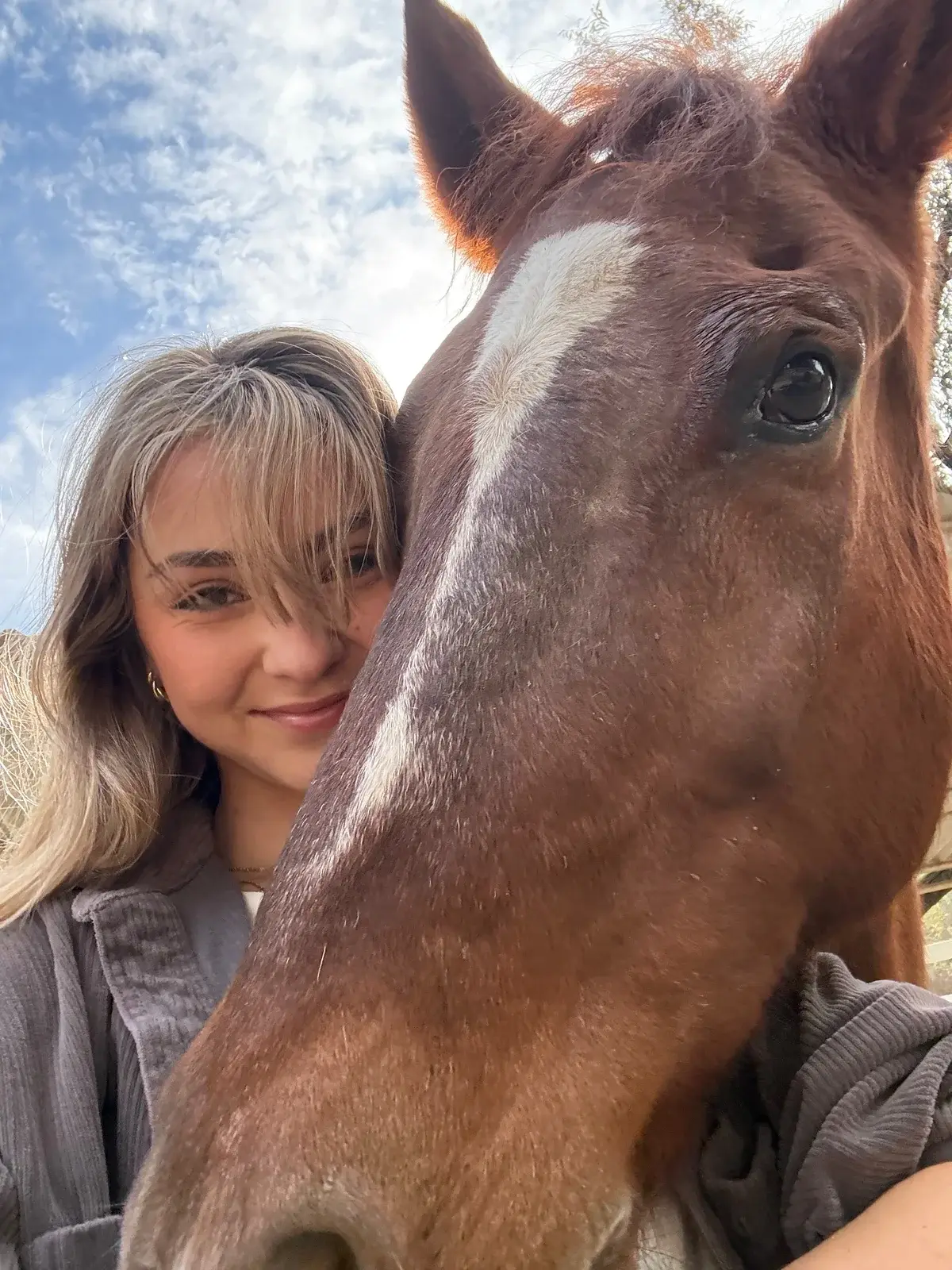
You don’t have to figure it all out alone. Iva has fostered dogs and kittens, and can help you compare programs, think through your routine and work out what to ask. Start with whatever’s on your mind.
Follow Iva as she gets to know local places, meets the people and animals behind them, and shares what to expect. A familiar face before your first visit.